It is nearly impossible to define Cultural Studies in definite terms. It is difficult because the concept of Culture itself has been made ambiguous. The pendulum of the definition of Culture ranges from Matthew Arnold's idea of "perfecting what was best thought and said" on one extreme to Raymond Williams and the likes of poststructuralist who would love to define it as "everyday life as really lived by one and all, including common-men".
The second problem with Cultural Studies is its scope of study. As it aims to transcend all disciplines and breaks the difference between the high and the low, the elite and the popular culture, it encompasses almost everything under its umbrella. This makes it confusing and the student / teacher with lesser ability to dig deeper in the artefacts to connect it with the 'discourse', sometimes, fails Cultural Studies.
Thirdly, as Cultural Studies reads 'power' with critical insights, it makes the students / scholars 'politically incorrect'. This also makes it difficult for CS to survive in the academia where 'political correct' and 'right-wingers' are in majority.
However, it is but sure that the study of Cultural Studies in incomplete without the study of 'Power'. In addition, as in our times, 'Media' is the tool to control the perceptions and the subject, the Power makes extensive use of Media. All forms of media. Print, radio, TV, electronic, digital, social.
Moreever, the critique of Media studied under Cultural Studies gives an opportunity to provoke our thoughts to understand the how power makes use of media. Here we will see What is Power and how power makes use of media. Watching these videos may help us read power, understand media and thus make us truly educated person.
First of all, let us understand 'POWER':
This video help us understand where power comes from, how it is exercised and how can one read and write power.
Political Power & our sense of judgement:
Do politics make us irrational?
Can someone's political identity actually affect their ability to process information? The answer lies in a cognitive phenomenon known as partisanship. While identifying with social groups is an essential and healthy part of life, it can become a problem when the group's beliefs are at odds with reality. So how can we recognize and combat partisanship? Jay Van Bavel shares helpful strategies. [Directed by Patrick Smith, narrated by Addison Anderson].
Secondly,let us see what Noam Chomsky has to say about Mass Media. He gives “Five Filters.” 1. Media Ownership 2. Advertising 3. Media Elite 4. Flack 5. The Common Enemy
One must read these filters in detail to understand how power makes use of mass media to create the illusion of Democracy. Click here to read about it in details. Chomsky and Herman’s book offers a surgical analysis of the ways corporate mass media “manufactures consent” for a status quo the majority of people do not actually want. Yet for all of the recent agonizing over mass media failure and complicity, we don’t often hear references to Manufacturing Consent these days. This videos explains this - 'Manufacturing Consent'.
It seems that the media theory and criticism like Chomsky’s, or the work of Marshall McLuhan, Theodor Adorno, or Jean Baudrillard (all thought provoking critics of Culture), has fallen out of favor in a 140-character world. Never-the-less, we can understand our times in a better way with their cultural lenses. Well, if this interests you and if you are hungry to know more, watch this amazing debate between Michael Foucault and Noam Chomsky on 'Human Nature and Power' (1971):
In ’71, at the height of the Vietnam War, the American linguist and French historian/social theorist appeared on Dutch TV to debate a fundamental question: Is there such a thing as innate human nature? Or are we shaped by experiences and the power of cultural and social institutions around us?
40 years later, you can find the classic debate on YouTube. If you need subtitles, make sure you turn on the captions function at the bottom of the video. Thanks Open Culture for this.
Lastly, Cultural Studies makes one truly educated person as the students cultivate the habit of questioning one discipline with the findings of another discipline; as the student unlearn what specific disciplines taught, and more importantly, it it teaches controversies.
However, it is enriching to listen what Noam Chomsky thinks about truly educated person. Watch this video:
Here is the highlights of what he said in this video:
The core principle and requirement of a fulfilled human being is the ability to inquire and create constructively, independently, without external controls.
A true education opens a door to human intellectual freedom and creative autonomy.
It’s not important what we cover in the class; it’s important what you discover.
To be truly educated means to be resourceful, to be able to “formulate serious questions” and “question standard doctrine, if that’s appropriate”…. It means to “find your own way.
Thus to conclude, in this series of short lessons on Cultural Studies, it seems this is enough to understand Power, Media and what it is to be Truly Educated person.
Official Website: http://www.riversandtides.co.uk/
Rivers and Tides: Andy Goldsworthy Working With Timeis the most spiritually literate documentary. It won the Golden Gate Award Grand Prize for Best Documentary at the 2003 San Francisco International Film Festival[1].
Try to picture an art piece that cannot be put in a museum, purchased by wealthy collectors, or displayed in a corporate foyer or boardroom – because it disintegrates in less than a day, perhaps even within 20 seconds. Try to imagine executing artwork through the medium of iron oxide chalk, raw sheep’s wool, flower blossoms, leaves and grass, feathers, random sticks and stones, broken rocks, pieces of icicle, green iris blades and red berries, thorns, bracken, or handfuls of snow. Try to fathom the notion that an artist could a take stroll in the woods, along a riverbank, down a beach, and with no tools at all – no paint brushes, no sculptor’s chisels or knives, no canvases or pedestals or quarried granite or polished wood – manage to create unutterably beautiful art from the objects and materials he finds by chance.
Often it seems that contemporary art has become a largely academic exercise, with artists frantically carving out tiny niches of discrete subject matter or distinctive media in which to say something, show something faintly “original.” But for more than two decades, Scottish sculptor Andy Goldsworthy has quietly been blowing that notion to smithereens. He’s the visual art world’s equivalent of Italo Calvino, who celebrated the wide-open choices available to him as a writer of short stories and novels while others lamented the death of the novel. Goldsworthy calmly demonstrates over and over that the forms, styles, and media available to the artist are approximately infinite.
In the documentary by German filmmaker Thomas Riedelsheimer, we watch Goldsworthy build man-sized standing “eggs” of stacked slate on a beach between tides; place a 50-foot spiral “worm” of leaves sewn together with grass in a pond, whence it begins to wend its way down a mountain stream; gnaw at icicle shards in order to piece them into a looping snake that seems to pass repeatedly through a stone promontory like a fat crystal thread; construct an “igloo” of driftwood that is carried away by the incoming tide in a stately galactic whirl.
“Art for me is a form of nourishment,” he tells us. Goldsworthy seeks the “energy that is running through, flowing through the landscape.” Not to capture it, clearly, but to participate in it. He speaks slowly, carefully, and the viewer adjusts to his pace. Not a single abstract spiritual or philosophical term turns up – the sculptor employs direct and concrete words only – but the effect is like a 90-minute session with a Zen master showing us how to “be here, now.”On an icicle job, he notes that heat and melted water created his artistic medium, while the rising sun will destroy it: “the very thing that brought it to life, will bring about its death.” Flying to a commission in Nova Scotia, he says he hates the sensation of travel, and having to go straight to work without getting any time to get the feel of the new locale. Yet he does: “I’ve shook hands with the place . . . and begun.”As we watch the artist make “something from nothing,” usually something startling and gorgeous; as serendipity and the elements (sunshine, wind, water) contribute to the process; and even as pieces he has spent hours on collapse in a heap – one’s concept of what is possible, what constitutes art, becomes as fluid as Goldsworthy’s natural media. Initially the viewer automatically thinks, “oh, it fell apart,” then realizes it doesn’t matter. One feels disappointment a project did not meet one’s expectations, yet rejoices in a different, unforeseen result.
Having isolated pieces of a new environment and formed them into an unexpected artifact, then watched it dissipate back to its component parts in the larger setting, Goldsworthy says, “You feel as if you’ve touched the heart of the place. That’s a way of understanding. Seeing something that you never saw before, that was always there but you were blind to it.” As the tide carries his driftwood igloo out to sea, spinning it slowly and dismantling its structural unity, he remarks: “It feels as if it’s been taken off into another plane, another world. . . . It doesn’t feel at all like destruction.”
The long worm of strung-together leaves reminds the viewer of an emerald green water moccasin, of Chinese dragons, of other references near and far. Subtly, the filmmakers join in the spirit of Goldsworthy’s labor to see things anew. Occasionally the camera takes note of lovely sights and events not immediately related to the artist’s work at hand: a fluff ball walking across the surface of a river, or the subtle prismatic colors in a spray of water.Several times, Riedelsheimer wittily shows us a work in progress, or a piece of the whole, that we don’t understand; or understand in one way, only to see it in a very different light when the camera pulls back. For example, a shockingly bright red-orange liquid trickles down a rock face, plashes into a river, and fans out in skeins of “unnatural color” that we cannot help but associate with blood. (Macbeth’s classic lines come to mind: “this my hand will rather/The multitudinous seas incarnadine,/Making the green one red.”)You think: He’s using applied color! But no, even as Goldsworthy makes the blood reference explicit, you find he has not violated his unwritten law of “all natural ingredients.” He has painstakingly collected red iron ore stones from the river bottom and ground them to a powder, commenting that iron is what makes our blood red as well. When he mixes the powder with water and trickles it across rock or into the stream, the color is a shock: it seems so alien to the river, yet is deeply rooted in it.“I think the color is an expression of life. I am in continuous pursuit of the red. That something so dramatic, so intense, could at the same time be so hidden, underneath the skin of the earth.” A single red Japanese maple tree on a hill of green in Japan “looks like a wound on the mountain,” he says. We set much store by the solidity of stone, he goes on, yet it is only a step in a process that goes from stone to powder to liquid and back to stone. The “stability of stone” is actually a snapshot of fluid, liquid life in which everything, including human beings, participates.This artist’s work might seem utterly apolitical, yet Goldsworthy casually identifies political elements in his projects. At first, when the camera lingers on a Scottish farmer helping a ewe to birth several lambs, it seems a digression into local color. Then Goldsworthy talks about how difficult it is to get past the “wooliness” of sheep to their “dangerous and powerful” qualities: Their status as an economic gold mine denuded the forest landscape of Britain and led to violent labor disputes. While he speaks, he constructs a long, glowing white river of raw wool that gilds the stone walls near his home.(In a similarly subtle political statement, Paul Hawken, founder of the Smith & Hawken gardening chain, chose a Goldsworthy “horn of plenty” sewn from leaves for the cover of his book The Ecology of Commerce: a Declaration of Sustainability.)Not all Goldsworthy’s labor is solitary. “Rivers and Tides” shows us several collaborative projects: one at Storm King Art Center in Mountainville, New York where stone masons build outdoor walls to the artist’s specifications, and another in Digne,France where a crew helps him build an indoor clay wall designed to crack into eye-catching patterns as it dries.With the Storm King project, Riedelsheimer’s camera again starts in close, watching hands place individual stones. Then we get a look at part of the finished wall slaloming between trees. Finally a helicopter shot pulls us high for a breathtaking view of the running wall, which wends its way through forestland for hundreds of yards, and appears to plunge into a lake and out the other side!The documentary is not perfect, by any means. It doesn’t “build a case”; though there’s a lovely coherence and wit to the unveiling of each piece or project, the larger structure seems episodic and disconnected. A brief sequence with Goldsworthy’s wife and kids comes across as garish and out of place. While it’s useful to know he has a family, he himself seems nonplused by them, and having been introduced, one yearns to know how they fit into his life as a professional artist.
In the seventeenth year of the digital era, it sounds stupid to ask whether machines / computers can write poems or not. We face ever graver and frightening question. What if machines write better poems than humans?
What if human poems sounds mechanical and machine's, humane?
However, if you still have doubt about whether computers can write poems or not, give your 10 minutes to watch this video to change your perception. Oscar Schwartz has some very provoking questions:
Now, if you want to try some poems written by computer, click here: http://www.pangloss.com/seidel/Poem/
Type first line of your poem and a short poem will be generated by computer!
How easy it is to be a poet!
Such poems are known as Computer Poetry. Want to know more about it? Click here: http://botpoet.com/what-is-computer-poetry/
These days, there are interesting and unbelievable poems written by computer. If you think that computers cannot write poems like humans, check this. Take a test:
An amazing short film on a poem by W.H. Auden on the man who drew a line to divide India and Pakistan. An unpardonable act. The karma whose heavy price even today the innocent people are paying with their flesh and blood.
Partition - a poem by W. H. Auden
Unbiased at least he was when he arrived on his mission, Having never set eyes on the land he was called to partition Between two peoples fanatically at odds, With their different diets and incompatible gods. "Time," they had briefed him in London, "is short. It's too late For mutual reconciliation or rational debate: The only solution now lies in separation. The Viceroy thinks, as you will see from his letter, That the less you are seen in his company the better, So we've arranged to provide you with other accommodation. We can give you four judges, two Moslem and two Hindu, To consult with, but the final decision must rest with you."
Shut up in a lonely mansion, with police night and day Patrolling the gardens to keep the assassins away, He got down to work, to the task of settling the fate Of millions. The maps at his disposal were out of date And the Census Returns almost certainly incorrect, But there was no time to check them, no time to inspect Contested areas. The weather was frightfully hot, And a bout of dysentery kept him constantly on the trot, But in seven weeks it was done, the frontiers decided, A continent for better or worse divided.
The next day he sailed for England, where he could quickly forget The case, as a good lawyer must. Return he would not, Afraid, as he told his Club, that he might get shot.
It is advised to read the speech rather than listening it. Read it when you are free from hustle and bustle. Read when you are completely free from all preoccupations. Read slowly. Take pause in between . . . . and THINK!
The transcript of the speech in given in Hindi as well as in English below this video.
एंकर पार्टी प्रवक्ता में ढलने और बदलने के लिए अभिशप्त हैं. वे पत्रकार नहीं हैं, सरकार के सेल्समैन हैं. जब भी जनादेश आता है पत्रकारों को क्यों लगता है कि उनके ख़िलाफ़ आया है. क्या वे भी चुनाव लड़ रहे थे? क्या जनादेश से पत्रकारिता को प्रभावित होने की ज़रूरत है?
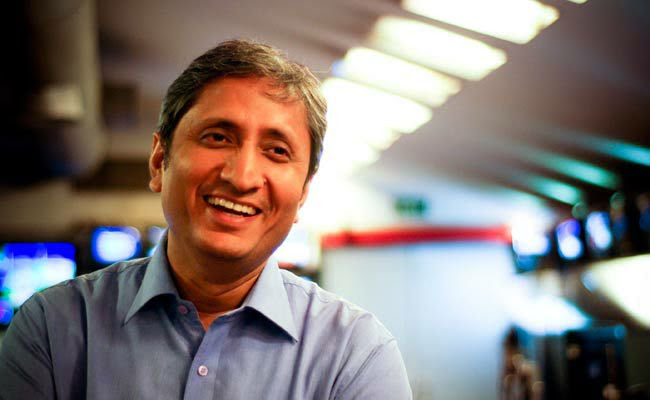
रवीश कुमार. (फोटो साभार: ट्विटर)
(वरिष्ठ पत्रकार रवीश कुमार को पहले कुलदीप नैयर पत्रकारिता सम्मान से सम्मानित किया गया है. सम्मान समारोह में उन्होंने यह वक्तव्य दिया.)
उम्र हो गई है तो सोचा कुछ लिखकर लाते हैं. वरना मूड और मौका कुछ ऐसा ही था कि बिना देखे बोला जाए. ख़ासकर एक ऐसे वक़्त में जब राजनीति तमाम मर्यादाओं को ध्वस्त कर रही है, अपमान के नए-नए मुहावरे गढ़ रही है.
एक ऐसे वक़्त में जब हमारी सहनशीलता कुचली जा रही है ठीक उसी वक़्त में ख़ुद को सम्मानित होते देखना दीवार पर टंगी उस घड़ी की तरफ़ देखना है जो टिक-टिक करती है. टिक-टिक करने वाली घड़ियां ख़त्म हो गई हैं.
इसलिए हमने आहट से वक़्त को पहचानना बंद कर दिया है, इसलिए हमें पता नहीं चलता कि हमारे बगल में कब कौन-सा ख़तरनाक वक़्त आकर बैठ गया है. हम बेपरवाह हो गए हैं.
हमारी संवेदनशीलता ख़त्म होती जा रही है कि वो सुई चुभाते जा रहे हैं और हम उस दर्द को बर्दाश्त करते जा रहे हैं. हम सब आंधियों के उपभोक्ता बन गए हैं, कनज़्यूम करने लगे हैं.
जैसे ही शहर में तूफान की ख़बर आती है. बारिश से गुड़गांव या दिल्ली डूबने लगती है या चेन्नई डूबने लगती है, हम मौसम समाचार देखने लगते हैं. मौसम समाचार पेश करने वाली अपनी शांत और सौम्य आवाज़ से हम सबको धीरे-धीरे आंधियों और तूफान के कन्ज़्यूमर में बदल रही होती है और हम आंधी के गुज़र जाने का बस इंतज़ार कर रहे होते हैं.
अगली सुबह पता चलता है कि सड़क पर आई बाढ़ में एक कार फंसी थी और उसमें बैठे तीन लोग पानी भर जाने से दम तोड़ गए दुनिया से.
मरना सिर्फ़ श्मशान या कब्रिस्तान में दफ़न कर देना या जला देना नहीं है. मरना वो डर भी है जो आपको बोलने से, आपको लिखने से, आपको कहने से और सुनने से डराता है. हम मर गए हैं. हम उसी तरह के कन्ज़्यूमर में बदलते जा रहे हैं जो मौसम समाचार पेश करने वाली एंकर चाहती है. हम सबको इम्तेहान के एक ऐसे कमरे में बिठा दिया गया है, जहां समय-समय पर फ्लाइंग स्क्वाड या उड़न दस्तों की टोली धावा बोलती रहती है.
वो कभी आपकी जेब की तलाशी लेती है, कभी आपके पन्ने पलटकर देखती है. आप जानते हैं कि आप चोरी नहीं करते हैं लेकिन हर थोड़े-थोड़े समय के बाद उड़न दस्तों की टोली आकर उस दहशत को फिर से फैला जाती है.
आपको लगता है कि अगले पल आपको चोर घोषित कर दिया जाएगा. आपको लगता है कि ऐसा नहीं हो रहा है तो आसपास नज़र उठाकर देखिए कि कितने लोगों को मुक़दमों में फंसाया जा रहा है.
ये वही फ्लाइंग स्क्वाड हैं जो आते हैं आपकी जेब की तलाशी लेते हैं और वे कभी चोर को नहीं पकड़ते लेकिन आपको चोर बनाए जाने का डर आपके भीतर बिठा देते हैं.
तो मुक़दमे, दरोगा, इनकम टैक्स आॅफिसर… ये सब आज कल बहुत सक्रिय हो गए हैं. इनकी भूमिका पहले से कहीं ज़्यादा सक्रिय है और न्यूज़ एंकर हमारे समय का सबसे बड़ा थानेदार है.
वो हर शाम को एक लॉकअप में बदल देता है और जहां विपक्ष, विरोध की आवाज़ या वैकल्पिक आवाज़ उठाने वालों की वो धुलाई करता है उस हाजत (जेल) में बंद करके. अभी तक आप फर्स्ट डिग्री, थर्ड डिग्री, फेक डिग्री में फंसे हुए थे वो आराम से हर शाम थर्ड डिग्री अप्लाई करता है.
वो एंकर आपके समय का सबसे बड़ा गुंडा है और मुझे बहुत ख़ुशी है कि उसी समय में जब मीडिया चैनलों के एंकर गुंडे हो गए हैं… वो नए तरह के बाहुबली हैं तो इसी समाज में कुछ ऐसे भी लोग हैं जो एंकर को सम्मानित करने का जोख़िम भी उठा रहे हैं.
आने वाला समाज और इतिहास जब ये आंधी और तूफान गुज़र जाएगा और एंकर को गुंडे और उनकी गुंडई की भाषा और भाषा की गुंडई उस पर लिख रहा होगा तो आप लोग इस शाम के लिए याद किए जाएंगे कि आप लोग एक एंकर का सम्मान कर रहे हैं.
ये शाम इतनी भी बेकार नहीं जाएगी. हां, आप जनादेश नहीं बदल सकते हैं, पर वक़्त का आदेश अगर वो भी है तो ये भी है. शुक्रिया गांधी शांति प्रतिष्ठान का, इस पुरस्कार में पत्रकारों को पसीना है. अपने पेशे की वजह से कुछ भी मिल जाए तो समझिए दुआ कुबूल हुई.
हम सब कुलदीप नैयर साहब का आदर करते रहे हैं. करोड़ों लोगों ने आपको पढ़ा है सर! आपने उस सीमा पर जाकर मोमबत्तियां जलाई हैं जिसके नाम पर इन दिनों रोज़ नफरत फैलाई जा रही है.
इस मुल्क में उस मुल्क नाम इस मुल्क के लोगों को बदनाम करने के लिए लिया जा रहा है. शायद वक़्त रहते गुज़रे ज़माने ने आपकी मोमबत्तियों की अहमियत नहीं समझी होगी. उसकी रोशनी को हम सबने मिलकर थामा होता तो वो रोशनी कुछ लोगों के जुनून का नहीं ज़्यादा से ज़्यादा लोगों की समझ का उजाला बनती.
हमने तब भी यही ग़लती की अब भी यही ग़लती कर रहे हैं. मोहब्बत की बात कितने लोग करते हैं. मुझे तो शक़ है इस ज़माने में लोग मोहब्बत भी करते हैं. ये सोचकर डर जाता हूं कि एंटी रोमियो दस्ते के लोगों को किसी से प्रेम हो गया तो क्या होगा? प्रेम की तड़प में वे किसी पुराने कुर्ते की तरह चराचरा कर फट जाएंगे. दुआ करूंगा कि एंटी रोमियो दस्ते को कभी किसी से प्यार न हो. प्रार्थना करूंगा कि उन्हें कम से कम किशोर कुमार के गाने सुनने की सहनशक्ति मिले.
शेक्सपीयर के कहानी के नायक के ख़िलाफ़ ये जनादेश आया है आपकी यूपी में. हम रोमियो की आत्मा की शांति के लिए भी प्रार्थना करते हैं. आप सब जीवन में कभी किसी से मोहब्बत की है तो अपनी आत्मा की शांति के लिए प्रार्थना कीजिएगा.
उम्मीद करता हूं कि अमेरिका के किसी चुनाव में प्रेमचंद के नायकों के ख़िलाफ़ भी कभी कोई जनादेश आएगा. क्या पता आ भी गया हो. एंटी होरी, एंटी धनिया दल नज़र आएंगे.
अनुपम मिश्र जी हमारे बीच नहीं हैं, हमने इस सच का सामना वैसे ही कर लिया है जैसे समाज ने उनके नहीं होने का सामना उनके रहते ही कर लिया था. काश मैं ये पुरस्कार उनके सामने लेता, उनके हाथों से.
जब भी कहीं कोई साफ़ हवा शरीर को छूती है, कहीं पानी की लहर दिखती है मुझे अनुपम मिश्र याद आते हैं. वे एक ऐसी भाषा बचा कर गए हैं जिसके सहारे हम बहुत कुछ बचा सकते हैं.
प्रतिक्रिया में हमारी भाषा हिंसक न हो जाए, इसकी चिंता दुनिया के सामने कोई मिसाल नहीं बनेगी, उसके लिए ज़रूरी है हम फिर से अपनी भाषा को साफ़ करें. अपने अंदर की निर्मलता कई तरह की मलिनताओं से दब गई है. इसलिए ज़रूरी है कि हम अपनी भाषा और विचारों को थोड़ा-थोड़ा संपादित करें. अपने भीतर सब सही नहीं है उनका संपादन करें.
हम संभावनाओं का निर्माण नहीं करते हैं. वो कहां बची हुई है, किस-किस में बची है, किस-किस ने बचाई है, उसकी तलाश कर रहे हैं. ऐसे लोगों के भीतर की जो संभावनाएं हैं वो अब मुझे कभी-कभी कातर लगती हैं.
हम कब तक बचे हुए की चिंता में जीने का स्वाद भी भूल रहे हैं, बचाने का हौसला खो दे रहे हैं. अपने अकेले की संभावनाओं को दूसरों से जोड़ के चल… अंतर्विरोधों का रामायण पाठ बहुत हो गया. जिससे मिलता हूं वो किसी न किसी अंतर्विरोध का अध्यापक लगता है.
अगर आप राजनीति में विकल्प खोजना चाहते हैं तो अंतर्विरोधों को सहेजना सीखिए. बहुतों को उनके समझौतों ने और अधमरा कर दिया है. आज जो भी समय है उसे लाने में उनकी भी भूमिका है, जिनके पास बीते समय में कुछ करने की जवाबदेही थी.
उन लोगों ने धोख़ा दिया. बीते समय में लोग संस्थानों में घुसकर उन्हें खोखला करने लगे. चंद मिसालों को छोड़ दें तो घुन का प्रवेश उनके दौर में शुरू हुआ. विकल्प की बात करने वालों का समाज से संवाद समाप्त हुआ.
समाज भी बदलाव के सिर्फ़ एक ही एजेंट को पहचानता है, राजनीतिक दल. बाकी एजेंटों पर भी राजनीति ने कब्ज़ा कर लिया है. इसलिए राजनीति से भागने का अब कोई मतलब नहीं. अगर कोई एक साल के काम को सौ साल में करना चाहता है तो अलग बात है.
जब अच्छे फेल होते हैं तभी जनता बुरों के साथ जोख़िम उठाती है. हर बार हारती है लेकिन अगली बार किसी बड़े राजनीतिक दल पर ही दांव लगाती है. गांधीवादी, आंबेडकरवादी, समाजवादी, वामपंथी और जो छूट गए हैं वे तमाम वादी. आंधियां जब भी आती हैं तब इन्हीं के पेड़ जड़ से क्यों उखड़ जाते हैं. बोनसाई का बागीचा बनने से बचिए.
आप सभी के राजनीतिक दलों को छोड़कर बाहर आने से राजनीतिक दलों का ज़्यादा पतन हुआ है. वहां परिवारवाद हावी हुआ, कॉरपोरेट हावी हुआ. सांप्रदायिकता से डरने की शक्ति न पहले थी और न अब है.
ये उनके लिए अफ़सोस हम क्यों कर रहे हैं? अगर ख़ुद के लिए है तो सभी को ये चुनौती स्वीकार करनी चाहिए. मैंने राजनीति को कभी अपना रास्ता नहीं माना लेकिन जो लोग इस रास्ते पर आते हैं उनसे यही कहता हूं, राजनीतिक दलों की तरफ़ लौटिए, इधर-उधर मत भागिए.
सेमिनारों और सम्मेलनों से बाहर निकलने का वक़्त आ गया है. वे अकादमिक विमर्श की जगहें हैं, ज़रूरी जगहें हैं लेकिन राजनीतिक विकल्प की नहीं हैं. राजनीतिक दलों में फिर से प्रवेश का आंदोलन करना पड़ेगा. फिर से उन दलों की तरफ लौटिए और संगठनों पर कब्ज़ा कीजिए. वहां जो नेता बैठे हैं वे नेतृत्व के लायक नहीं हैं उन्हें हटा दीजिए.
ये डरपोक लोग हैं… बेईमानी से भर चुके लोग हैं… उनके बस की बात नहीं है. उनकी कायरता, उनके समझौते समाज को दिन-रात तोड़ने का काम कर रहे हैं. एक छोटी से चिंगारी आती है उनके समझौतों के कारण सब कुछ जलाकर चली जाती है.
हम सब के पास अब भी इतना मानव संसाधन बचा हुआ है और इस कमरे में जितने भी लोग हैं वे भी काफी हैं कि हम राजनीति को बेहतर बना सकते हैं.
पत्रकारिता के लिए पुरस्कार मिल रहा है. उस पर भी चंद बात कहना चाह रहा हूं.
मुझे ये बताते हुए बेहद खुशी हो रही है कि आज पत्रकारिता पर कोई संकट नहीं है. ये पत्रकारिता का स्वर्ण युग चल रहा है. राजधानी से लेकर जिला संस्करणों के संपादक इस आंधी में खेत से उड़कर छप्पर पर पहुंच गए हैं. अब जाकर उन्हें पत्रकार होने की सार्थकता समझ में आई है. क्या हम नहीं देख रहे थे कि कई दशकों से पत्रकारिता संस्थान सत्ता के साथ विलीन होने के लिए कितने प्रयास कर रहे थे. जब वे होटल के लाइसेंस ले रहे थे, मॉल के लाइसेंस ले रहे थे, खनन के लाइसेंस ले रहे थे तब वे इसी की तो तैयारी कर रहे थे.
मीडिया को बहुत भूख लगी हुई है. विकल्प की पत्रकारिता को छोड़ अब विलय और विलीन होने की पत्रकारिता का दौर है. सत्तारूढ़ दल की विचारधारा उस विराट के समान है जिसके सामने ख़ुद को बौना पाकर पत्रकार समझ रहा है कि वो भगवान कृष्ण के मुख के सामने खड़ा है.
भारत की पत्रकारिता या पत्रकारिता संस्थान इस वक़्त अपनी प्रसन्नता के स्वर्ण काल में भी हैं. आपको यकीन न हो तो कोई भी अख़बार या कोई भी न्यूज़ चैनल देखिए. आपको वहां उत्साह और उल्लास नज़र आएगा. उनकी ख़ुशी पर झूमिए तो अपनी तकलीफ़ कम नज़र आएगी.
सूटेड-बूटेड एंकर अपनी आज़ादी गंवाकर इतना हैंडसम कभी नहीं लगे. एंकर सरकार की तरफदारी में इतनी हसीन कभी नहीं लगीं. न्यूज़ रूम रिपोर्टरों से ख़ाली हैं.
न्यूयॉर्क टाइम्स, वॉशिंगटन पोस्ट में अच्छे पत्रकारों को भर्ती करने की जंग छिड़ी है जो वॉशिंगटन के तहखानों से सरकार के ख़िलाफ़ ख़बरों को खोज लाए, ऐसी प्रतियोगिता है वहां. मैं न्यूयॉर्क टाइम्स और वॉशिंगटन पोस्ट की बदमाशियों से भी अवगत हूं. उसी ख़राबे में ये भी सुनने को मिल रहा है. भारत के न्यूज़ रूम से पत्रकार विदा किए जा रहे हैं. सूचना की आमद के रास्ते बंद हैं. ज़ाहिर है धारणा ही हमारे समय की सबसे बड़ी सूचना है.
एंकर पार्टी प्रवक्ता में ढलने और बदलने के लिए अभिशप्त हैं. वे पत्रकार नहीं हैं, सरकार के सेल्समैन हैं. जब भी जनादेश आता है पत्रकारों को क्यों लगता है कि उनके ख़िलाफ़ आया है. क्या वे भी चुनाव लड़ रहे थे? क्या जनादेश से पत्रकारिता को प्रभावित होने की ज़रूरत है?
मगर कई पत्रकार इसी दिल्ली में कनफ्यूज़ घूम रहे हैं कि यूपी के बाद अब क्या करें? आप बिहार के बाद क्या कर रहे थे? आप सतहत्तर के बाद क्या कर रहे थे? आप सतहत्तर के पहले क्या कर रहे थे? 1947 के पहले क्या कर रहे थे और 2025 के बाद क्या करेंगे?
इसका मतलब है कि पत्रकार अब पत्रकारिता को लेकर बिल्कुल चिंतित नहीं है. इसलिए काम न करने की तमाम तकलीफ़ों से आज़ाद आज के पत्रकारों की ख़ुशी आप नहीं समझ सकते, आपके बस की बात नहीं है.
आप पूर्वाग्रह से ग्रसित हैं. जाकर देखिए वे कितने प्रसन्न हैं, कितने आज़ाद महसूस कर रहे हैं किसी श्मशान, किसी राजनीतिक दल और सरकार में विलीन होकर. उनकी ख़ुशी का कोई ठिकाना आप नाप नहीं सकते.
प्रेस रिलीज़ तो पहले भी छाप रहे थे, फर्क़ यही आया है कि अब गा भी रहे हैं. इसको लेकर वे रोज़ गाते हैं. कोई मुंबईवाला ही कर सकता है इस तरह का काम लेकिन अब हम टेलीविजन वाले कर रहे हैं. चाटुकारिता का एक इंडियन आइडल आप कराइए. पत्रकारों को बुलाइए कि कौन किस हुकूमत के बारे में सबसे बढ़िया गा सकता है. अगली बार उसे भी सम्मानित कीजिए. ज़रूरी है कि वक़्त रहते हम ऐसे चाटुकारों का भी सम्मान करें.
अगर आपको लड़ना है तो अख़बार और टीवी से लड़ने की तैयारी शुरू कर दीजिए. पत्रकारिता को बचाने की मोह में फंसे रहने की ज़िद छोड़ दीजिए. पत्रकार नहीं बचना चाहता. जो थोड़े-बहुत बचे हुए हैं उनका बचे रहना बहुत ज़रूरी नहीं.
उन्हें बेदख़ल करना बहुत मुश्किल भी नहीं है. मालूम नहीं कि कब हटा दिया जाऊं. राह चलते समाज को बताइए कि इसके क्या ख़तरे हैं. न्यूज़ चैनल और अख़बार राजनीतिक दल की नई शाखाएं हैं.
एंकर किसी राजनीतिक दल में उसके महासचिव से ज़्यादा प्रभावशाली है. राजनीतिक दल बनने के लिए बनाने के लिए भी आपको इन नए राजनीतिक दलों से लड़ना पड़ेगा. नहीं लड़ सकते तो कोई बात नहीं. जनता की भी ऐसी ट्रेनिंग हो चुकी है कि लोग पूछने आ जाते हैं कि आप ऐसे सवाल आप क्यों पूछते हैं?
स्याही फेंकने वाले प्रवक्ता बन रहे हैं और स्याही से लिखने वाले प्रोपेगेंडा कर रहे हैं. ये भारतीय पत्रकारिता को प्रोपेगेंडा काल है. मगर इसी वर्तमान में हम उन पत्रकारों को कैसे भूल सकते हैं जो संभावनाओं को बचाने में जहां-तहां लगे हुए हैं.
मैं उनका अकेलापन समझ सकता हूं. मैं उनका अकेलापन बांट भी सकता हूं. भले ही उनकी संभावनाएं समाप्त हो जाएं लेकिन आने वाले वक़्त में ऐसे पत्रकार दूसरों के लिए बड़ा उपकार कर रहे हैं.
ज़िलों से लेकर दिल्ली तक कई पत्रकारों को देखा है जूझते हुए. उनकी ख़बर भले ही न छप रही हों लेकिन उनके पास ख़बरें हैं. समाज ने अगर इन पत्रकारों का साथ नहीं दिया तो नुकसान उस समाज का होगा. अगर समाज ने पत्रकारों को अकेला छोड़ दिया तो एक दिन वो अपना एकांत और अकेलापन नहीं झेल पाएगा. तो ज़रूरत है बताकर, आंख से आंख मिलाकर उस समाज को बोलने के लिए कि आप जो हमें अकेला छोड़ रहे हैं और आप जो हमें गालियां दे रहे हैं… आप ये काम हमें हटाने के लिए नहीं अपना वज़ूद मिटाने के लिए कर रहे हैं.
आप उन लोगों से इस तकलीफ के बारे में पूछिए जो आज भी न्यूज़ रूम में हैं और टेलीविजन के न्यूज़ एंकर को आज भी रोज़ दस चिट्ठियां आती हैं. हाथ से लिखी हुई आती हैं. उनकी ख़बरें जब नहीं होती होंगी तो वे किस तकलीफ से गुज़रते होंगे और कहां-कहां लिखते होंगे.
ये समाज पत्रकारों को गाली दे रहा है, ऐसे लोगों की तकलीफ को और बढ़ा रहा है. वे अपने ही हिस्से में जो बेचैन हैं उनकी बेचैनियों को उनकी बेचैनियों के साथ उन्हें मार देने की योजना में वो शामिल हो रहा है.
…तो कई बार समाज भी ख़तरनाक हो जाता है.
बहरहाल जो भी पत्रकारिता कर रहा है, जितनी भी कर रहा है, उसके प्रति मैं आभार व्यक्त करता हूं. जब भी सत्ता की चाटुकारिता से ऊबे हुए या धोख़ा खाए पत्रकारों की नींद टूटेगी और जब वे इस्तेमाल के बाद फेंक दिए जाएंगे उन्हें ऐसे ही लोग आत्महत्या से बचाएंगे.
तब उन्हें लगेगा कि ये वो कर गया है ये मुझे भी करना चाहिए. इसी से मैं बचूंगा. इसलिए जितना हो सकता है संभावनाओं को बचा कर रखिए. अपने समय को उम्मीद और हताशा के चश्मे से मत देखिए.
हम उस पटरी पर है जिस पर रेलगाड़ी का इंजन बिल्कुल सामने है. उम्मीद और हताशा के सहारे आप बच नहीं सकते. उम्मीद ये है कि रेलगाड़ी मुझे नहीं कुचलेगी और हताशा ये है कि अब तो ये मुझे कुचल ही देगी. वक़्त बहुत कम है और इसकी रफ्तार बहुत तेज़ है.
Thank you Gandhi Peace Foundation. I am conscious of the fact that this award has been created by the sweat of journalists. Receiving anything from my seniors in the profession is like bakshish to me. Its like having my prayers answered. We all revere Kuldip Nayyar sahab. Millions of people have read you. You have lit candles at those borders in whose name hatred and venom is spread every day. In fact, how many of us are even talking of love? I doubt whether people still think of love. We no longer start our mornings with the rising sun – instead, we begin our day by checking good morning messages on WhatsApp. It seems like soon the world will start believing that the sun rises on WhatsApp. Soon, we are going to prosecute Galileo once again and this time we will get to watch it via live telecast.
Anupam Mishra is not amongst us anymore. We have accepted this truth just like society seemed to have accepted his non-existence even during his lifetime. I wish I had received this award when he was around, perhaps even from him. Whenever I feel a fresh breeze or see a wave of fresh water, I remember Anupam Mishra. He has left us a language that can help save us a lot of things. For that, however, it is important that we clear our souls. The purity within us has been blotted by filth. We must attempt to refine our thoughts and our language, just like Anupam Mishra. We will not be able to stand up without brushing off the layers of dust that are covering us.
This is a phase of discovering possibilities. We are continuously on the lookout for new and remaining possibilities, and the people who continue to cherish and safeguard these new hopes and possibilities. However, these hopes and possibilities are now fading away. In the midst of this, our hopes seem to be growing lonely. How long can we survive – this question is bothering us all. But we have forgotten how to live meaningfully even for the time that we are around. In such a scenario, there is a need to rekindle our energies and passions. Hone your questions. Question the political groups you relied on. Those groups have broken our trust. Also question those in whom you do not have any faith. Our communication with other people in our society has completely broken down. Today’s society pins all its hopes on political parties to bring about change. The society now knows that it is only the politically powerful who can bring about pleasant or dangerous transformation. It is because of this that people do not step back from pinning hopes in political parties. People continue to take this risk. Political parties fail them every time, but the people still place their bets on them the next time.
Political parties have witnessed a constant decline as various members have left them to pursue other directions. These are people who no longer see politics as an instrument for bringing about social change. The absence of such people in political parties has led to a decline in the parties’ morality. There is a need to restructure and reshape political parties. Please set aside your inner contradictions. We’ve seen them enough for the past thirty-forty years. Leftists, Gandhians, Ambedkarites and Socialists – they have all left their mainstream political formations. With their departure, mainstream politics has lost its sense of alternative politics. Return to those parties and take over these organisations. Forget the past. Work hard for a new politics. It is a good time to recognise our helplessness and cowardice. These dark times are the right occasion for us to assess ourselves by being brutally honest.
I am being awarded for my journalism. It gives me immense pleasure to tell you that there is no crisis in journalism today, if you thought there was one. All the editors – from the capital city to those in small districts are very happy to be swept away by the ideological storm of a particular party. However much we criticise them, we also need to accept that they are extremely happy. It is only now that they feel accomplished as journalists. The media had made incessant efforts for the past fifty-sixty years to merge with political entities. Hotels, malls, mining leases and the different licenses they procured could not satiate their hunger. Their souls remained unfulfilled. Now, they have attained peace. Finally, the media’s dream of being a part of power politics has been fulfilled.
Indian media is currently state of ecstasy. There was a time when people spoke of finding a stairway to heaven; today they have found heaven on earth. The stairway is no longer needed. If you do not believe me, please go ahead and have a look at any newspaper or watch any news channel. You will be overwhelmed by the media’s love for and loyalty to one particular political agenda. Only when you appreciate the bliss they have attained after decades of desperation, will you take your pain less seriously. Never before have these decked-up anchors looked so handsome. Nor have the female anchors praising the government looked as beautiful, ever before. Journalists are also the government now.
If you intend to fight, fight the newspaper and television. Let go of your stubbornness to salvage journalism. Journalists themselves do not want to be saved! The few who are left can be evicted easily. How would the survival of any individual journalist help the situation? Organisations as a whole have been communalised. Journalism is spreading communalism in India. It is thirsty for blood. It will make the nation bleed one day. It may not appear to be very successful in promoting its agenda today, but we cannot ignore its efforts. Thus arises the need for us to deliberate upon this with anyone and everyone we come across. Newspapers and television channels have become branches of political parties. Anchors now wield more power in political parties than the general secretaries of these parties. Until one fights these new political formations, alternative political ideas cannot take shape. They have also managed to hegemonise the minds of people in such a manner that many now ask me why I question things. Those who throw ink are being appointed spokespersons and those who write with ink are only indulging in propaganda. Contemporary journalism is the contemporary propaganda.
But how can we overlook journalists who are making efforts to safeguard possibilities? While these possibilities will eventually fade, their legacy will empower us in the future. Whenever these journalists – tired of sycophancy or humbled by betrayal – wake up from their slumber, it is these cherished hopes and possibilities that will save them. That is why I insist that we cherish our hopes and possibilities. Refrain from seeing these times through a prism of hope or failure. We are on a railway-track where the giant engine is just before us and there is no way to run away or save ourselves. Neither hope nor failure is an option. It is time to throw yourself into work. We are running short of time and its pace is very fast.
Translated from the Hindi by Ikshula Arora. (https://thewire.in/117630/ravish-kumar-speech-journalism-kuldip-nayyar-award/)